
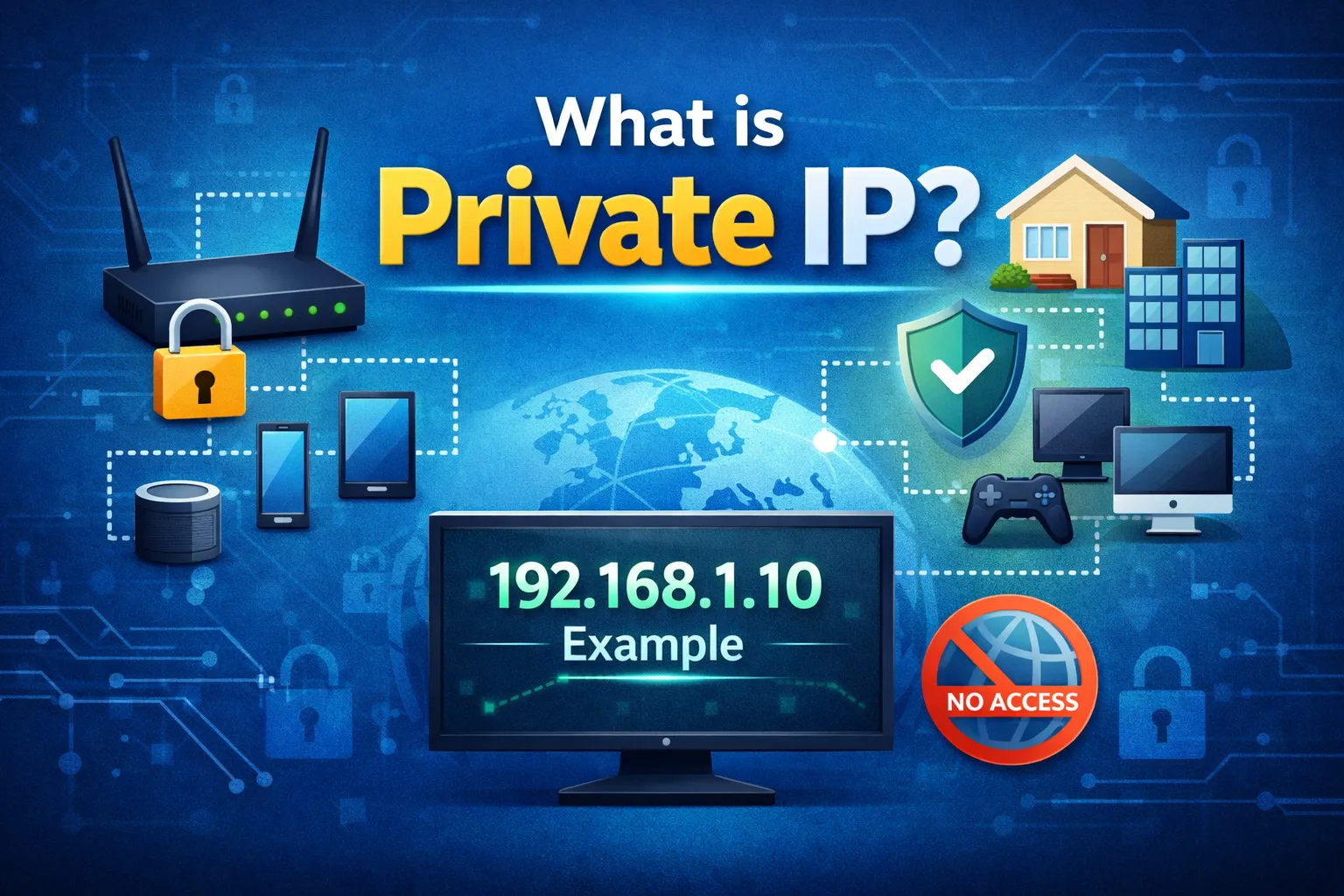
Understanding What is Private IP is essential for anyone interested in networking, cybersecurity, or internet configuration. A Private IP is an IP address assigned to devices within a local network, allowing them to communicate internally without exposing their addresses to the public internet. Platforms like Testyourhardware provide comprehensive guides, tutorials, and explanations for users to understand What is Private IP and its significance in networking.
Unlike public IP addresses, which are globally unique, Private IPs are reserved for internal use in homes, offices, and enterprise networks. Many users search for private vs public IP, how to find my private IP, and private IP ranges to better understand internal networking setups. Testyourhardware offers detailed information, examples, and step-by-step guides to help users grasp What is Private IP and how it operates.
Private IP Overview
A Private IP allows devices like computers, smartphones, printers, and routers to communicate within a private network. It is commonly used in home networks and corporate LANs (Local Area Networks). Common private IP ranges include 192.168.x.x, 10.x.x.x, and 172.16.x.x to 172.31.x.x.
Many users search for private IP address examples, how private IPs work, and assigning private IPs to configure networks efficiently. Platforms like Testyourhardware provide detailed overviews explaining What is Private IP, its usage, and its differences from public IP addresses.
Difference Between Private and Public IP
Understanding the distinction between private and public IPs is crucial. A Public IP is visible on the internet and can be used to identify your network globally, while a Private IP is only accessible within a local network. Users often search for public vs private IP address comparison, advantages of private IP, and networking IP types.
Testyourhardware explains these differences clearly, helping users understand What is Private IP and why it is essential for secure internal communication.
Benefits of Using Private IP
There are multiple advantages to using a Private IP. It enhances security by hiding internal devices from the internet, allows efficient network management, and reduces the need for multiple public IP addresses. Keywords like private IP security benefits, network efficiency with private IP, and private IP usage advantages are often searched.
Testyourhardware provides a detailed breakdown of the benefits, offering insights on What is Private IP and how it contributes to secure and organized network environments.
Common Uses of Private IP
Private IPs are widely used in various scenarios:
- Home networks for connecting multiple devices
- Corporate LANs for internal communication
- IoT devices like smart thermostats and cameras
- Internal servers for intranet services
Many users search for private IP in home network, corporate private IP usage, and IoT private IP configuration. Testyourhardware provides real-world examples and scenarios that illustrate What is Private IP and how it functions in different environments.
How to Find Your Private IP
Finding your private IP is straightforward. On Windows, you can use ipconfig in the command prompt; on Mac, check Network Preferences; on smartphones, check network settings. Users often search for find private IP Windows, private IP MacOS, and mobile private IP address.
Testyourhardware provides detailed, step-by-step guides for multiple devices, making it easy for users to learn What is Private IP and locate their device addresses.
Private IP Address Classes
Private IP addresses fall into three major classes:
- Class A: 10.0.0.0 – 10.255.255.255
- Class B: 172.16.0.0 – 172.31.255.255
- Class C: 192.168.0.0 – 192.168.255.255
Users frequently search for private IP ranges, classful IP addresses, and IP address classes explanation. Testyourhardware provides comprehensive charts and examples to help users understand What is Private IP and how different ranges are used in networks.
Private IP vs NAT
Network Address Translation (NAT) allows multiple devices with private IPs to share a single public IP when accessing the internet. This process keeps devices secure while ensuring internet connectivity. Keywords like private IP NAT explanation, NAT for home network, and private IP internet access are common.
Testyourhardware explains NAT and its relationship with What is Private IP, demonstrating how internal devices communicate externally while maintaining security.
Security and Privacy Considerations
Using Private IPs enhances security by keeping internal devices invisible to external networks. Many users search for private IP security tips, network protection with private IP, and enhancing privacy with private IP.
Testyourhardware highlights best practices for using Private IPs safely, including firewall configurations, secure router settings, and internal network management.
Advantages of Private IP in Enterprise Networks
In corporate environments, private IPs enable efficient management of multiple devices, internal servers, and communication systems. Keywords include enterprise private IP setup, internal network management, and corporate LAN private IP.
Testyourhardware provides examples and guidelines, showing What is Private IP and why it is critical for business networks.
Limitations of Private IP
While private IPs are excellent for internal networking, they cannot be directly accessed from the internet. Users may search for private IP limitations, private vs public connectivity, and overcoming private IP restrictions.
Testyourhardware explains workarounds like port forwarding, VPNs, and NAT configurations to help users understand What is Private IP and its boundaries.
A Private IP Address is an IP address which is used inside a local area network, for example, a home, office, or business network. It enables devices to communicate with each other but cannot be accessed directly from the internet.
“Example: When your laptop is connected to the Wi-Fi connection at home and assigned 192.168.1.4, the 192.168.1.4 address is local
Comprender Direcciones IP Privadas
Private IP addresses will be assigned by routers through the DHCP, and they will not be routable in the internet world. This will protect the internal machines from being accessed by the public.
The router gives 192.168.1.6 to your phone, as well as 192.168.1.9 to your smart TV, to enable them to talk to each other within
The Internet Assigned Numbers Authority (IANA) has reserved certain IP addresses for private use:
10.0.0.0 – 10.255.255.255
172.16.0.0 – 172.31.255.255
192.168.0.0 – 192.168.255.255
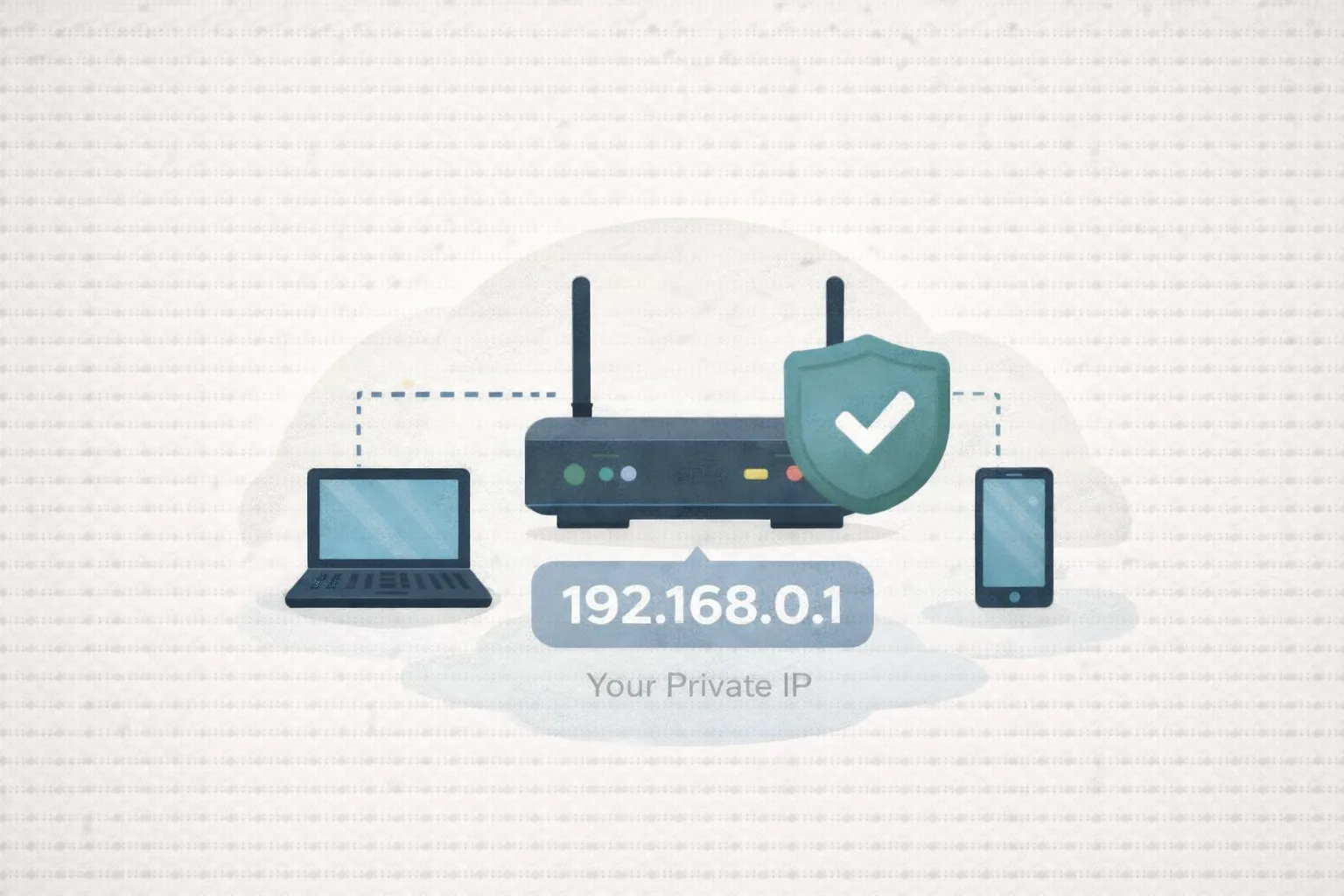
For instance, the most common private IP used in home routers is 192.168.0.1
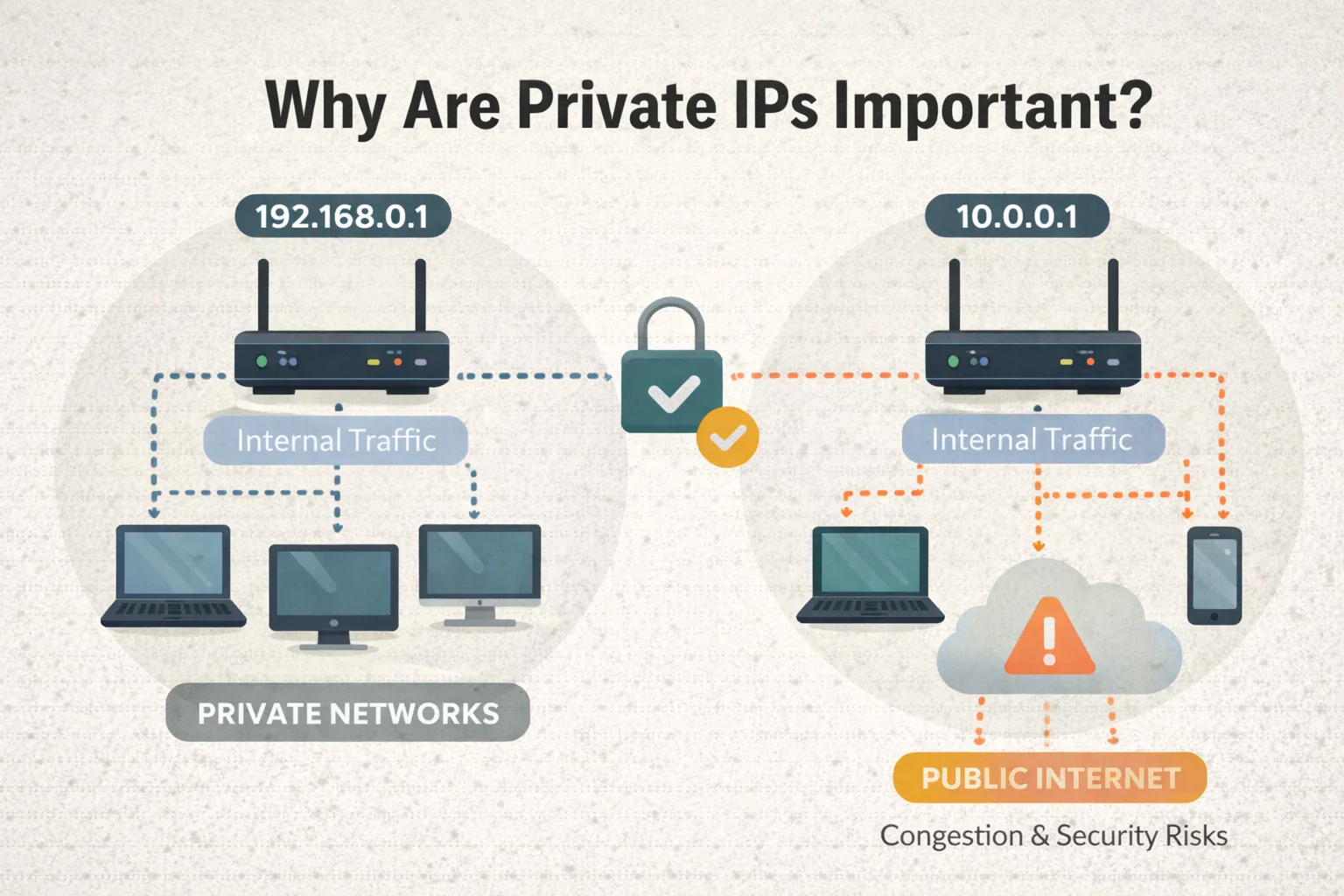
Why Are Private IPs Important?
Private IP addresses are quite beneficial in conserving public IP addresses as well as providing security benefits to the system. Many computers can be allowed to share a single internet connection with the use of private IP addresses
In an office setting, there are 30 computers that have private IPs but have to access the internet using only one public IP.
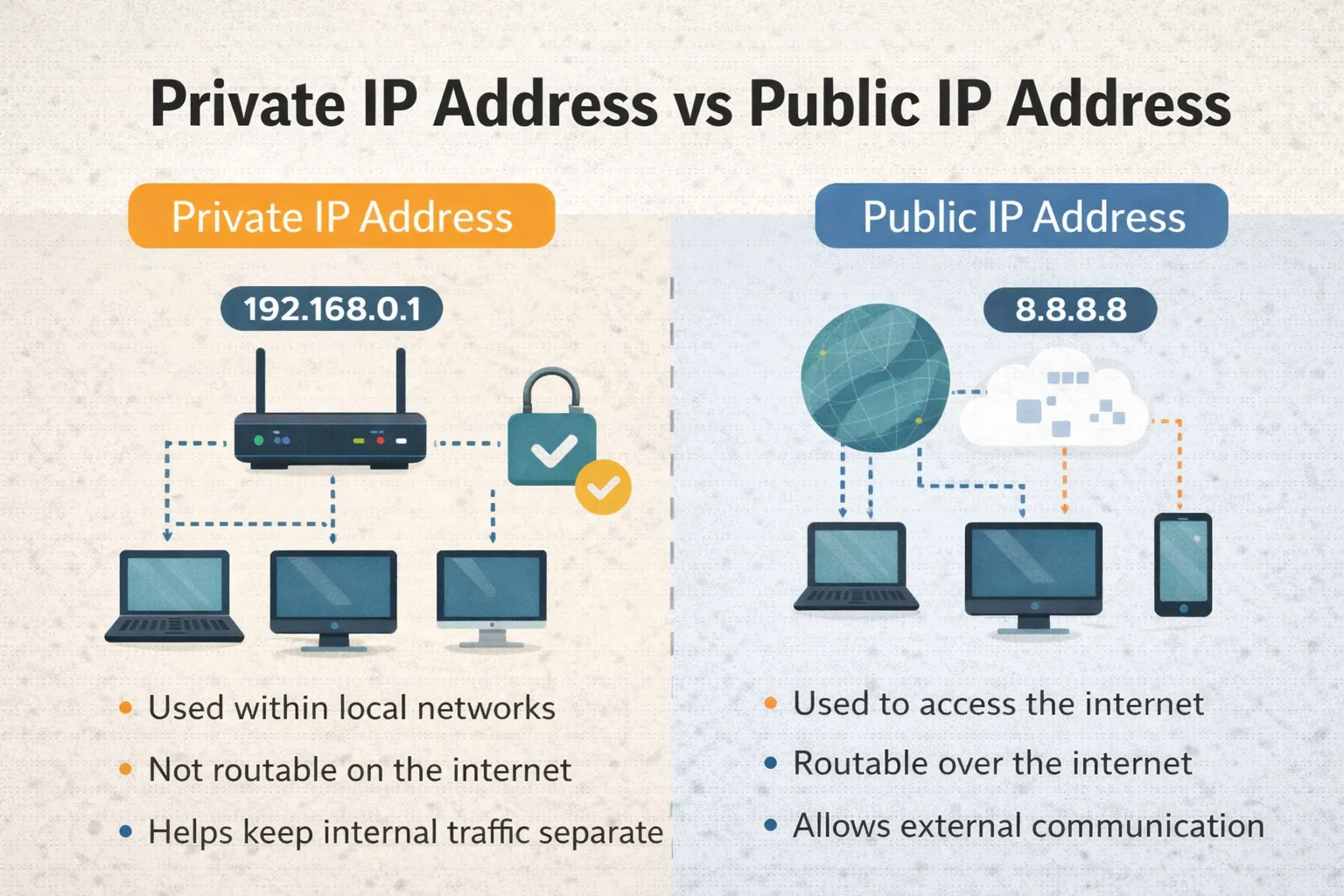
Private IP Address vs Public IP Address
A private IP is only functional within the local network, whereas a public IP is functional on the internet.
192.168.1.5 is the private IP, and the public IP is 103.215.144.22, which has been assigned by ISP.
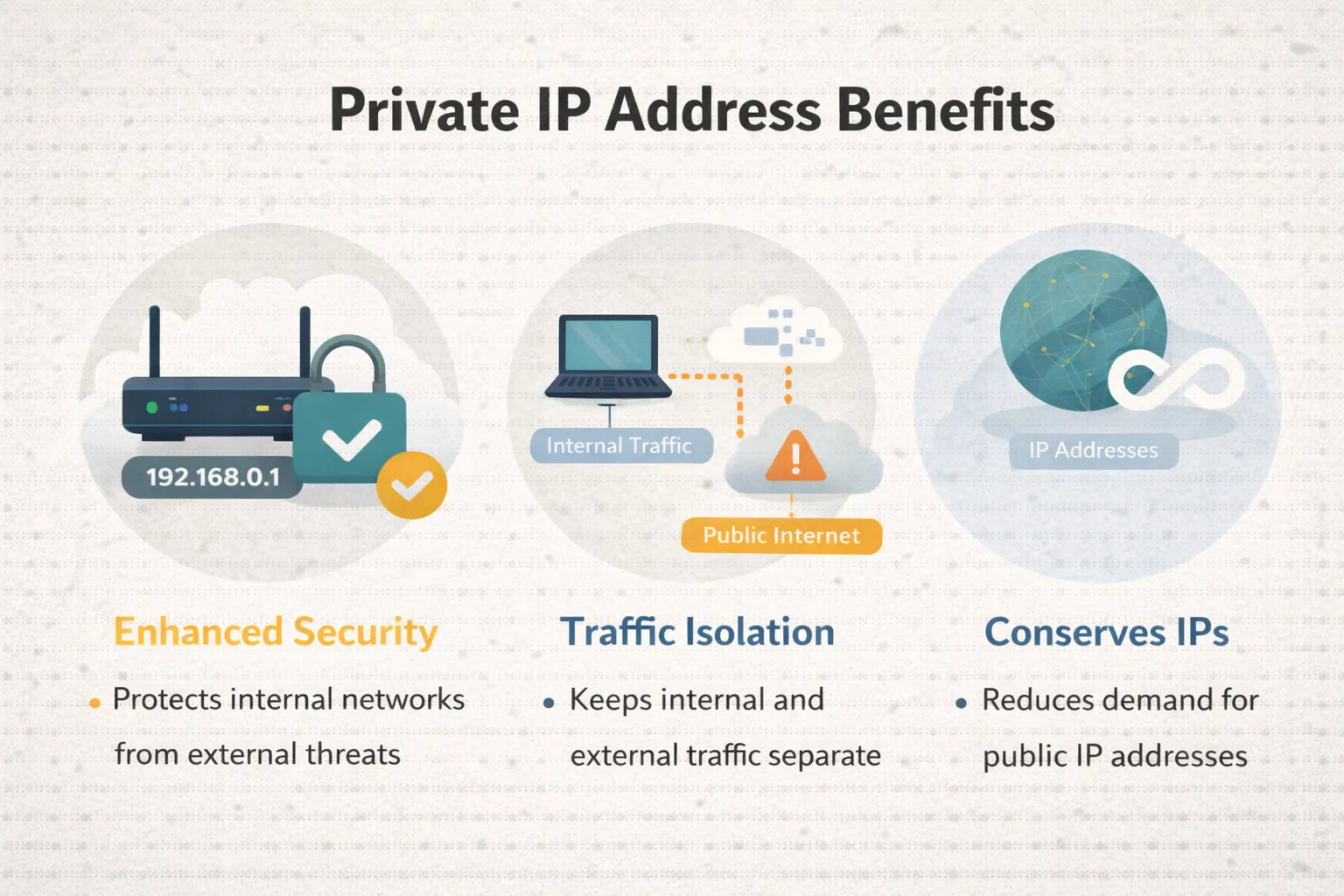
Private IP Address Benefits
Private IPs add security, save money, and make administration easier.
A business uses private IP to hide its internal servers from hackers.
What is my private ip?
My private IP address is the IP address assigned to my device in the network. It assists the router in recognizing my device in my home or office. My IP address cannot be accessed on the internet. Only in my network does the IP address exist. For instance, my private IP address could be 192.168.1.5. My private IP address assists in safeguarding my device as well as ensuring that everything is orderly in the network.
Conclusion
A private IP address plays an integral role in ensuring safe internal communications. Through the use of actual practical examples, the role played by private IPs has been shown to be significant for modern networking, internet, and the internet of things.
FAQs
- What is Private IP?
A Private IP is an IP address used within a local network, allowing devices to communicate internally without being visible on the public internet. Platforms like Testyourhardware provide detailed guides on What is Private IP. - How is Private IP different from Public IP?
A Public IP is globally unique and can be accessed over the internet, while a Private IP is restricted to internal networks. Testyourhardware explains these differences in detail. - What are the common Private IP ranges?
Private IPs are assigned in specific ranges: 10.0.0.0 – 10.255.255.255, 172.16.0.0 – 172.31.255.255, and 192.168.0.0 – 192.168.255.255. Testyourhardware provides charts and examples for easy understanding. - How can I find my Private IP?
On Windows, use ipconfig; on Mac, check Network Preferences; on smartphones, view network settings. Testyourhardware offers step-by-step instructions for all devices. - Can devices with Private IP access the internet?
Yes, using NAT (Network Address Translation), multiple devices with private IPs can share a single public IP to access the internet. - Is Private IP more secure than Public IP?
Yes, Private IPs enhance security by hiding internal devices from the internet. Testyourhardware provides tips to maximize private IP security. - Can Private IP addresses be used in corporate networks?
Absolutely. Private IPs are widely used in LANs, internal servers, and enterprise systems for efficient management. - What are the limitations of Private IP?
Private IPs cannot be accessed directly from the internet. Workarounds include port forwarding, VPNs, or NAT configurations. Testyourhardware explains these solutions in detail.